
2026-06-08
Why I Stopped Writing and Started Talking to My Journal
Journaling never stuck for me. Turns out, the problem wasn't discipline. It was the pen.
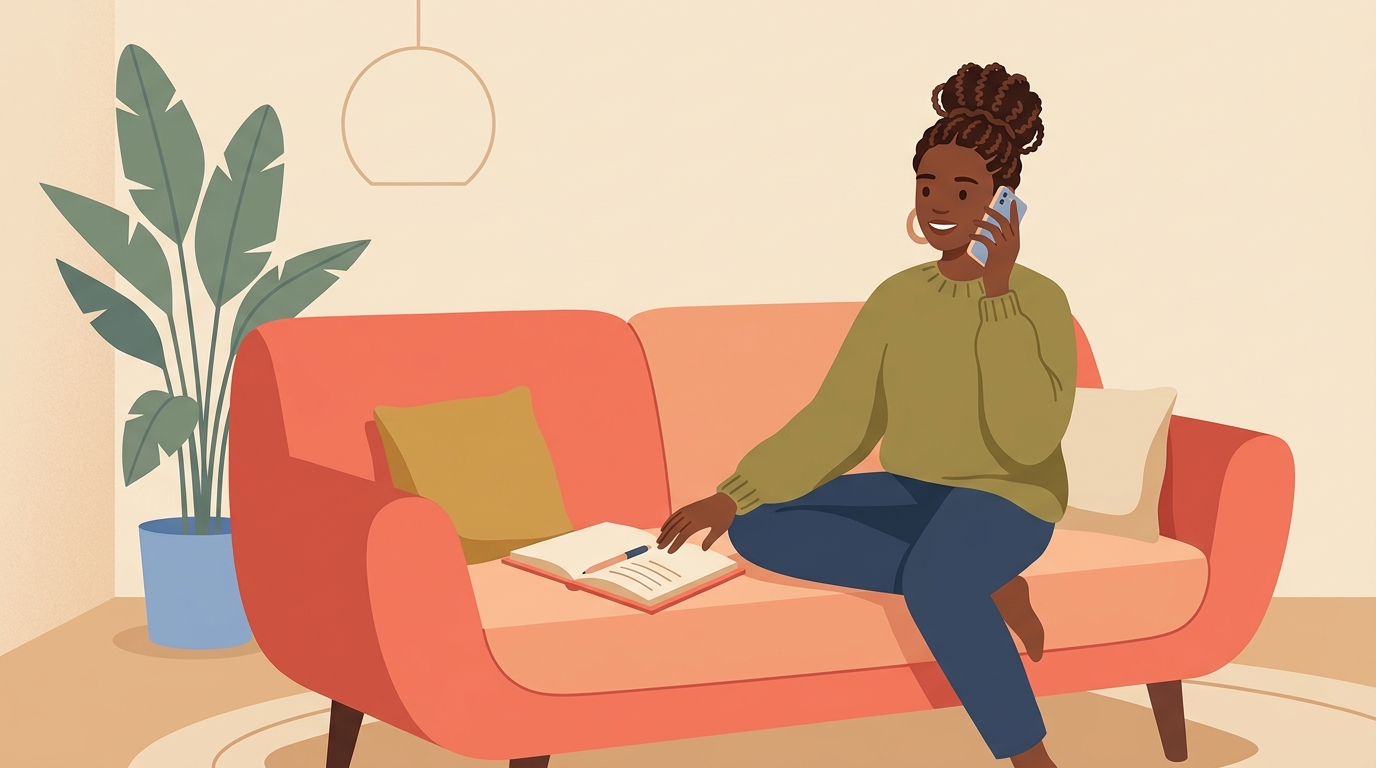
I have half-filled notebooks scattered across two apartments, a storage unit, and a box labeled "maybe someday." I started journals in college. In my twenties. After breakups. Before big interviews. Each one lasted maybe two weeks before the momentum died and the notebook became a receptacle for grocery lists and half-formed ideas.
The guilt was real. I kept thinking I was the problem. I wasn't consistent enough. I didn't have the right system. I needed a better template.
Then one night, too tired to write but still awake, I just started talking. Into my phone. About nothing in particular. Just the day, what was bothering me, what I was excited about. Five minutes, maybe less.
That recording was the most useful reflection I'd done in months.
The friction isn't about discipline
Here's what took me way too long to understand. Writing is work. Not hard work, but cognitive work. You're translating a feeling into words, then words into sentences, then sentences into something that looks like coherent thought on paper. That process is valuable, but it's also a barrier.
Talking is just talking.
When you voice-journal, you skip the translation step. You think out loud. You hear yourself say things and sometimes that's when you realize they sound ridiculous, or wise, or true in a way you didn't know until the words left your mouth.
The irony is that most of us will narrate our day to a friend for twenty minutes without hesitation. We'll complain about traffic, unpack a conflict with a coworker, work through a decision out loud. But put a blank page in front of us and suddenly we need "the right words."
We don't.
What actually happens when you talk instead of write
You catch the thing before you edit it. Written journals tend to be the curated version. The version you want to be true. Voice journaling is rawer, faster, and usually more honest because you don't have time to make it pretty.
You notice what you actually think, not what you think you should think.
You build the habit easier because the barrier is lower. Five minutes before bed. First thing in the morning. In the car. Nobody needs to know. Nothing needs to look good.
The recording becomes a document of you at a specific moment. Listen back a month later and you'll hear patterns you completely forgot existed.
You don't need a better journal. You need a different medium.
If you've tried and failed at written journaling, the question isn't how to be more consistent with writing. It's whether writing is the right format for you.
Voice journaling doesn't require good handwriting, a pretty desk setup, or 30 uninterrupted minutes. You can do it walking to the subway. Waiting for your coffee. Lying in bed when you can't sleep.
The goal isn't beautiful prose. It's the act of processing.
So maybe stop buying notebooks and start talking instead. Your future self, scrolling back through six months of voice notes, will have a much more interesting picture of who you actually were.
This is what we built MyRuel for, by the way. No judgment, no pressure to make it sound profound. Just you, talking to yourself, figuring things out.