
2026-08-24
The Unsolvable Note
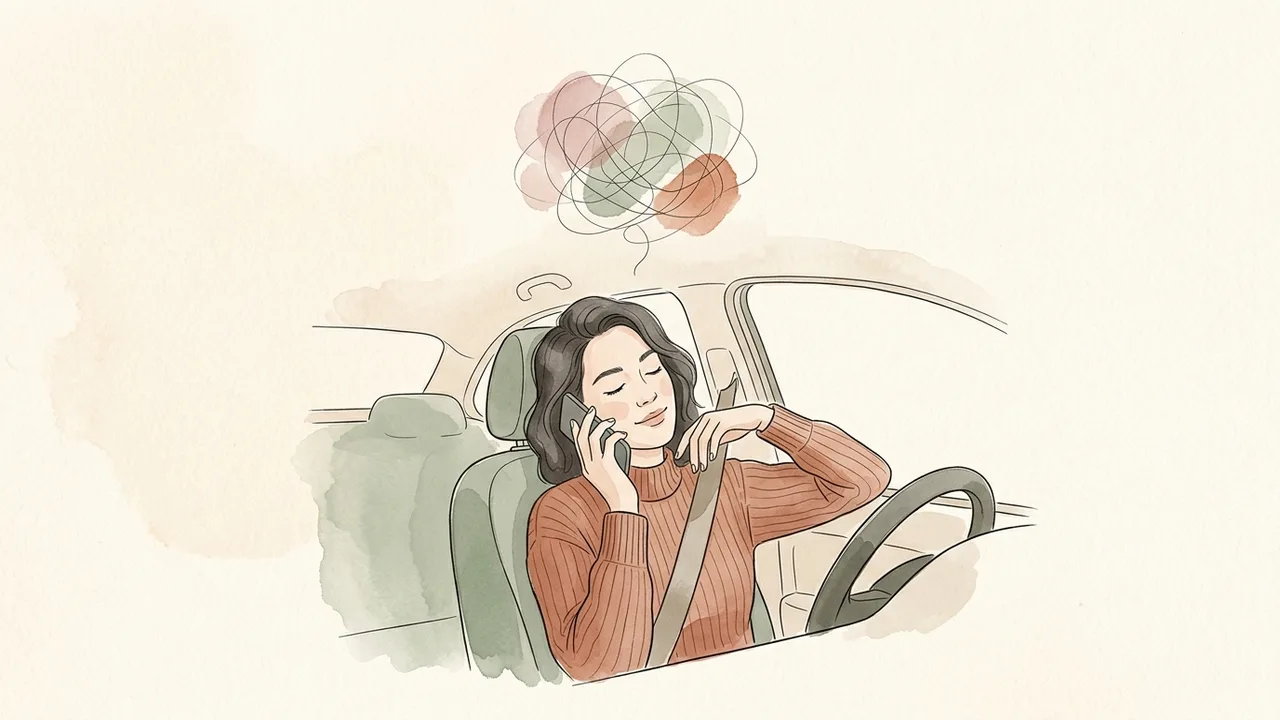
I have a voice note from March I've never listened to all the way through. I recorded it in my car, outside my mom's house, and I don't need to hear it again.
Evidence-backed writing on voice journaling, affirmations, reflection, and what helps a private practice actually stick.
I have a voice note from March I've never listened to all the way through. I recorded it in my car, outside my mom's house, and I don't need to hear it again.
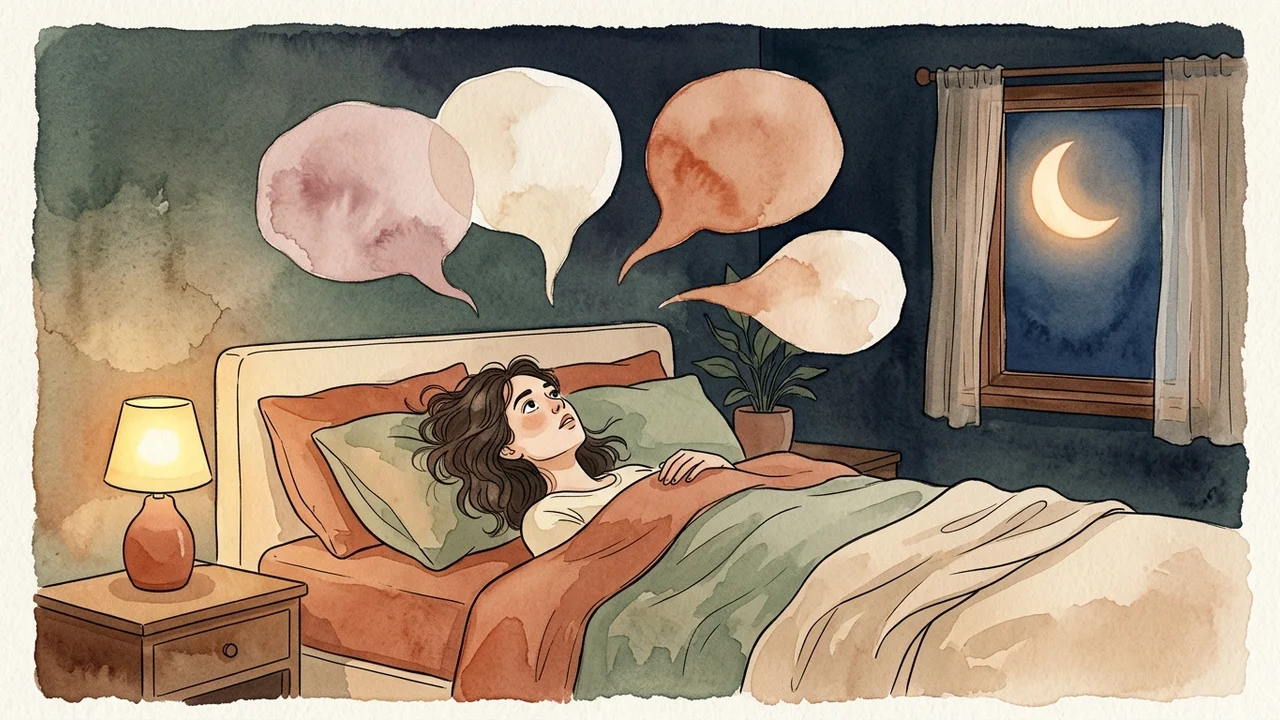
It's 11:47 PM and I'm in bed, staring at the ceiling, and my brain is running a list. The email I didn't send. The thing I said I'd follow up on.
I scrolled through a week of voice notes yesterday and noticed something I'd never noticed before. Every single one was a problem.
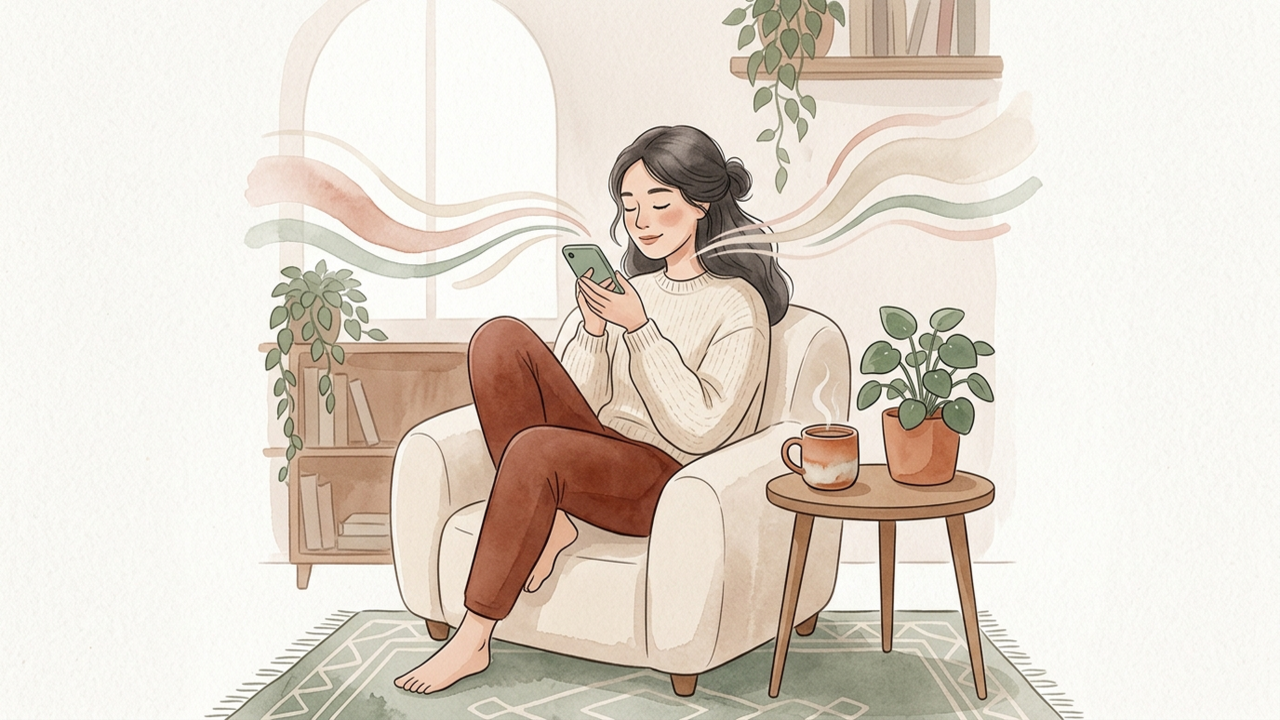
I played back a voice note from Tuesday and heard something I'd missed while recording it. The word 'I' was everywhere. I counted. Forty-one times in three minutes.
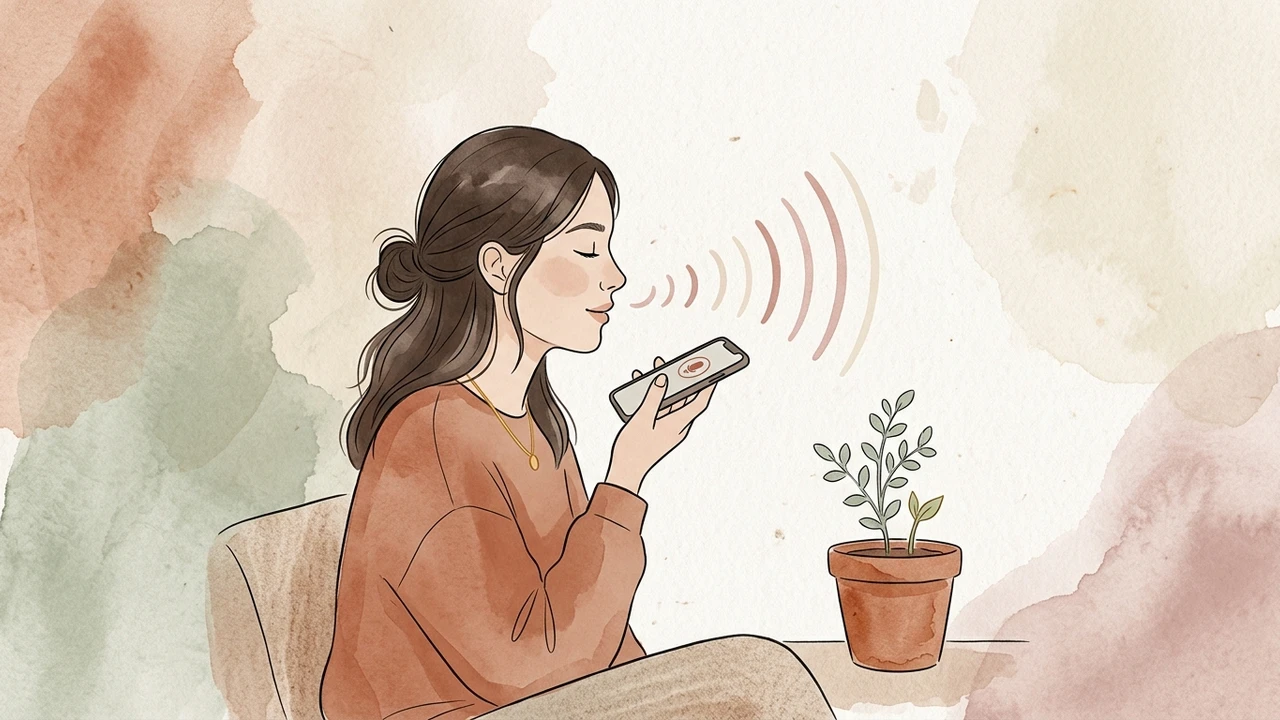
I caught it on a voice note last Tuesday. I was talking through a project I'd been avoiding, and out of my own mouth came the sentence I'd said a hundred times before: 'I'm just not good at this kind of thing.' I said it like it was a fact. Like my height, or my shoe size.
I have a library of replays. The conversation from Tuesday. The email that got one word back. The thing I said in 2019 that nobody remembers.

I used to think my problem was discipline. I read the books. I set the alarms. I bought the planners and downloaded the habit trackers. I watched the videos of people who wake at 4:30, cold plunge, journal for an hour
"I'm not a journaling person." I said that sentence for years, the way you say a fact about yourself. Like your height, or your allergy to shellfish. And I said it before ever really trying to journal, which is the sneaky part.

I have a rule I never wrote down and never questioned: if I can't do the whole thing, I don't do any of it. It sounds disciplined. It's not.

Anxiety is not trying to hurt you. It is trying to protect you from something that happened once, or something that has never happened, or something that probably will not happen. The problem is the protection mechanism was built for a world that no longer exists.

Anxiety is a prediction, not a fact. Voice journaling helps you see the gap between what your brain is forecasting and what is actually occurring, and that gap is where the work happens.
I said 'I am confident' to a mirror every morning for six weeks. It did not help. If anything, it made things worse, because every time I said it and did not feel it, the gap between the sentence and my actual state became its own evidence that something was wrong with me.
You've tried morning pages. You've tried meditation apps. You've tried setting alarms that slowly light up your room. But what if the thing your mornings are actually missing is just... talking to yourself?
There's something about hearing your own voice say a thought that changes how you feel about it. Voice journaling is having a moment, and here's why it might be worth five minutes of your day.

The first time you talk into your phone instead of writing, you'll feel ridiculous. That's actually the point. Here's why pushing through that awkward phase changes everything.
Some days the feelings are too big for a Notes app. Voice journaling gives them somewhere to go, without needing to be eloquent about it.
There's something about the first twenty minutes of the morning that nobody talks about enough. Before the emails load. Before the notifications pile up. Before you have to be anyone for anyone else. That's the window where voice journaling does its quiet work.
Most people spend their evenings unwinding without ever checking in with themselves. Three voice journal prompts that take two minutes and give you more self-knowledge than a year of good intentions.
There's something about hearing your own voice say things out loud that writing just can't replicate. It turns out there's actual science behind why speaking your intentions hits differently.

You already do it. In the shower, in the car, at 2am when you cannot sleep. But what if that running monologue in your head was actually the most powerful habit you could build?
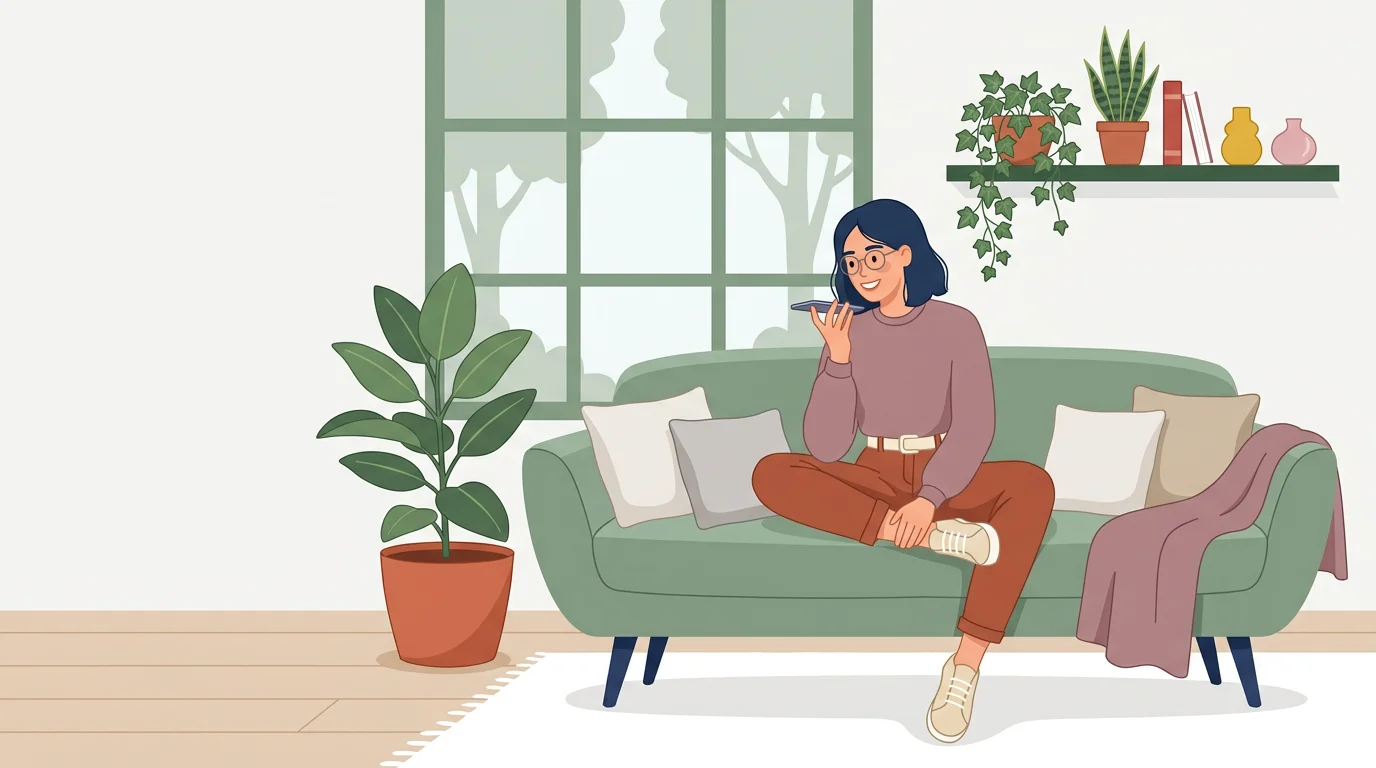
You've been carrying a therapy tool in your pocket this whole time. Voice journaling through speech-to-text means you can process your day without typing a single word.

There's something about hearing your own voice that typing just can't replicate. When you say your thoughts instead of writing them, you shortcut a whole layer of self-deception.

I had a notebook full of half-finished entries. I kept buying journals thinking the problem was the paper. Turns out, the problem was me sitting down to write.

Most people think journaling is about writing. But there's something different that happens when you talk instead. Your brain stops polishing and starts being honest.

I used to start every day by listing everything I did wrong yesterday. Then I tried something different with my voice journal, and honestly it felt weird at first. But it stuck.

Self-affirmation research shows that affirming your values under stress opens up cognitive flexibility. Voice journaling seems to do something similar, not by making you think differently, but by making you hear yourself differently.

Research on expressive writing shows that using cognitive words in your narratives predicts better outcomes. But there's something that talking does to those words that writing doesn't, and it's in how your brain handles the emotion itself.

There's something different that happens when you speak words aloud versus writing them down. Your brain doesn't just read the words, it commits to them in a different way.

Stephen Porges' Polyvagal Theory explains why your voice can calm you down in a way typing can't. The answer is in your nervous system, and it's older than language.
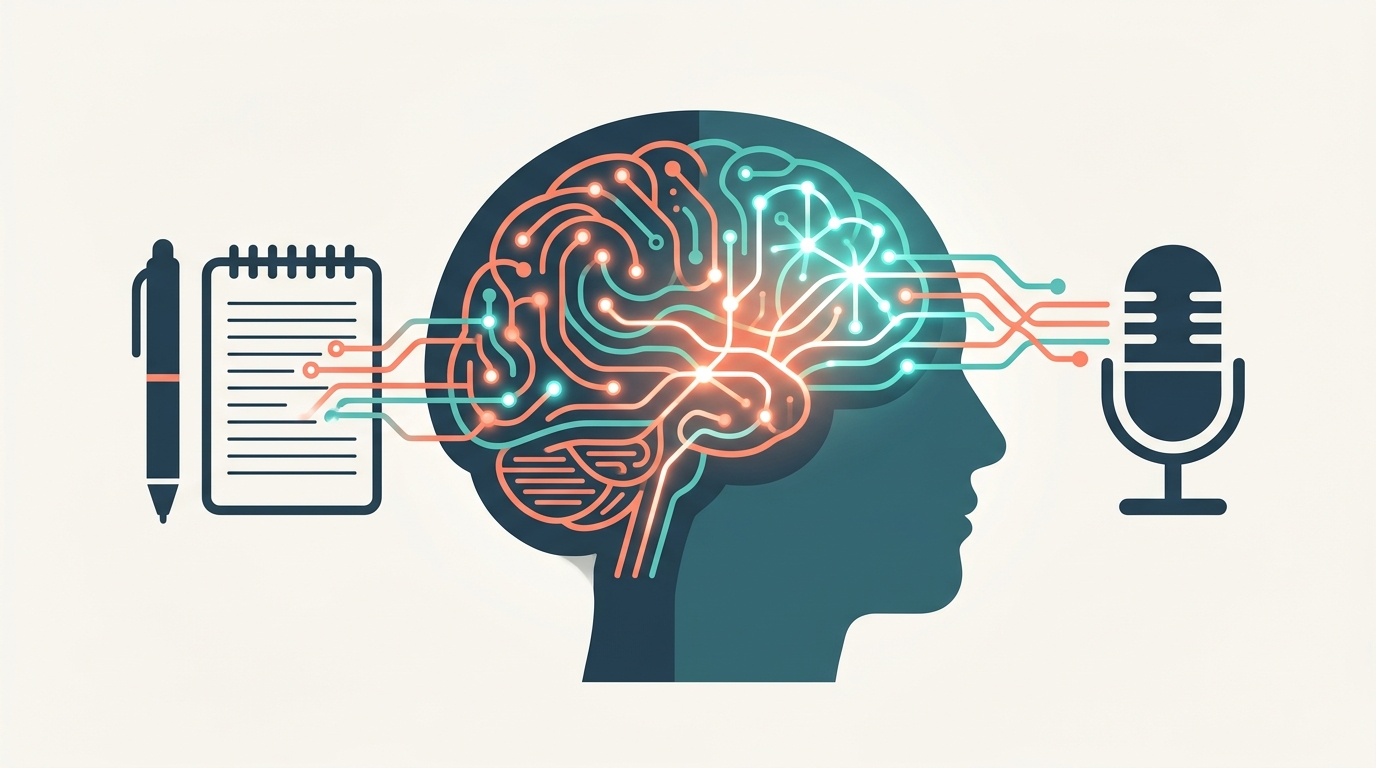
Writing and talking feel similar. Your brain disagrees. A 2006 study found that talking through experiences improved mood more than writing about them, and neuroscience explains why.
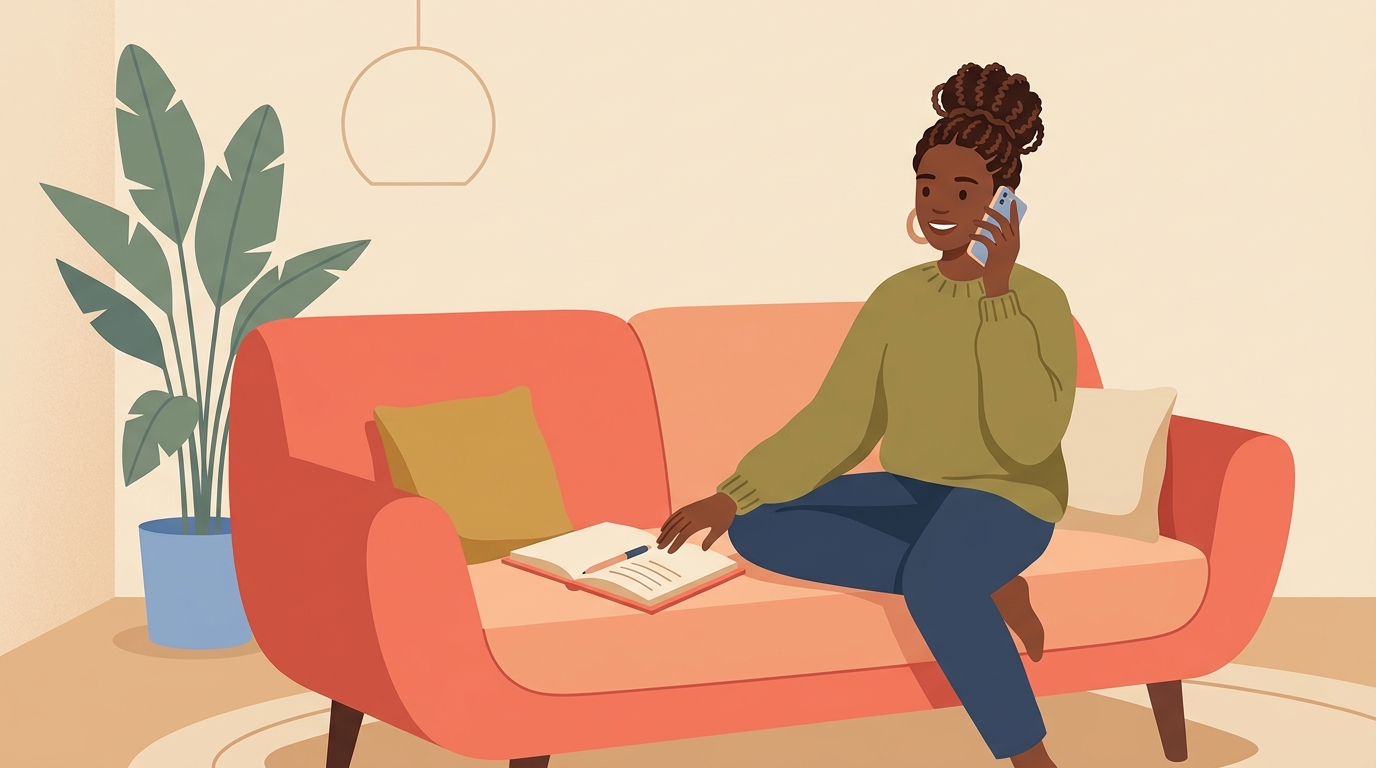
Journaling never stuck for me. Turns out, the problem wasn't discipline. It was the pen.

I used to dread mornings. Now my first five minutes of talking to myself, yes really, sets the tone for my entire day. Here's why voice journaling beats any productivity hack I've tried.

Wednesday slump hitting hard? You're not alone. Here's how voice journaling in the middle of the week helps you pause, recalibrate, and finish strong without burning out.

Research shows journaling can lower cortisol, reduce anxiety, and improve emotional regulation. Here's how voice journaling makes it easier for women to build a stress-relief habit that actually works.
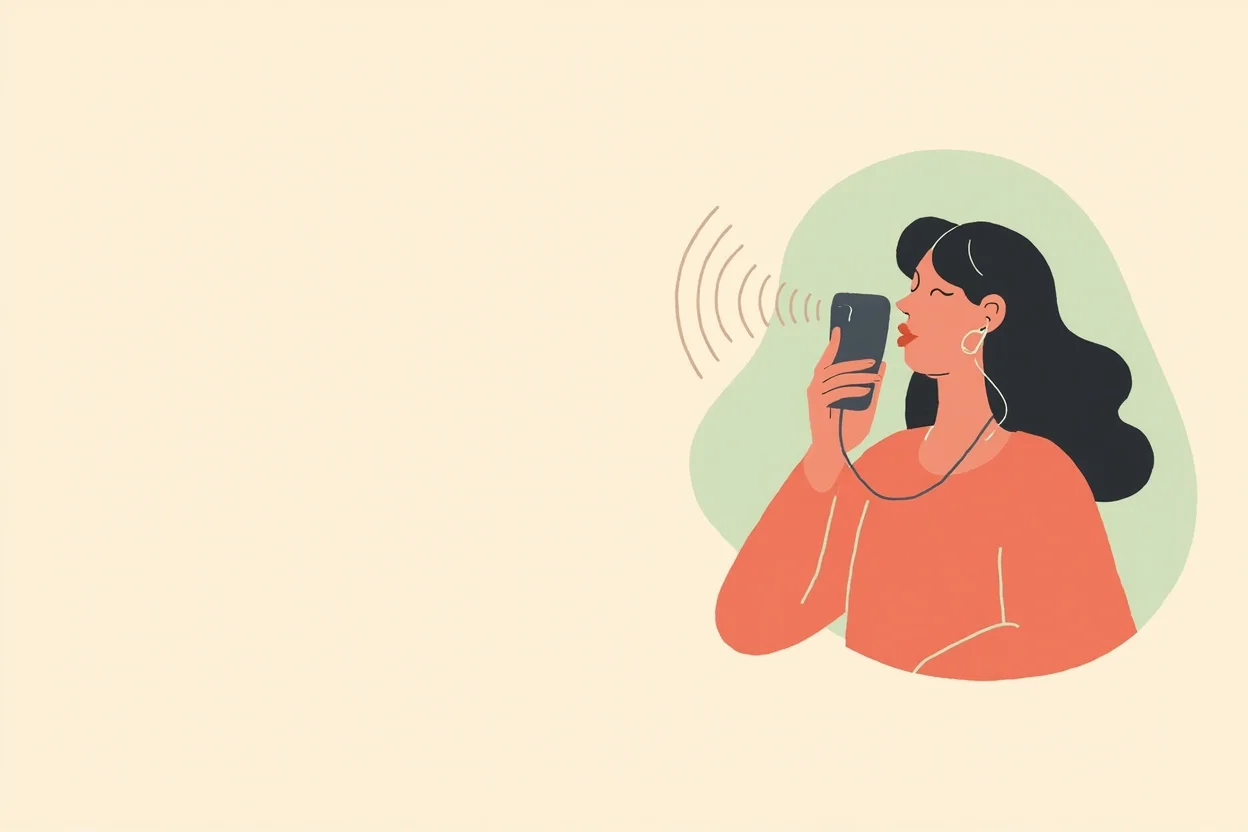
Research reveals that voice journaling reduces anxiety and boosts self-affirmation in ways written journaling cannot. Discover why women everywhere are switching to audio.

It started with 60 seconds of talking into my phone before bed. Three months later, I wake up different.

Research shows self-affirmations do more than boost mood - they change how women respond to stress, fight negative self-talk, and actually follow through on wellness goals.

Voice journaling is more than a productivity hack. Research shows speaking your thoughts aloud can reduce anxiety, lower cortisol, and rewire your brain for resilience.

Discover the science-backed benefits of morning self-care routines for women and learn how to build a sustainable practice that fits your life.

Science shows voice journaling reduces anxiety by up to 23% and takes just three minutes. Here is why so many women are choosing to speak instead of write.

Why 60 percent of journalers quit within 3 weeks and how to be the one who doesn't. Evidence-based strategies to make journaling a permanent part of your wellness routine.

Voice journaling doesn't just capture your thoughts - it reveals hidden emotional patterns, behavioral cycles, and triggers you can't see in the moment. Here is how the pattern recognition works.

A science-backed 30-day voice journaling challenge designed to reduce anxiety. Daily prompts, tracking, and a step-by-step plan for women who want to quiet their mind.

Discover how daily affirmations can rewire your brain for confidence and calm. Research-backed strategies for women to make affirmations stick.
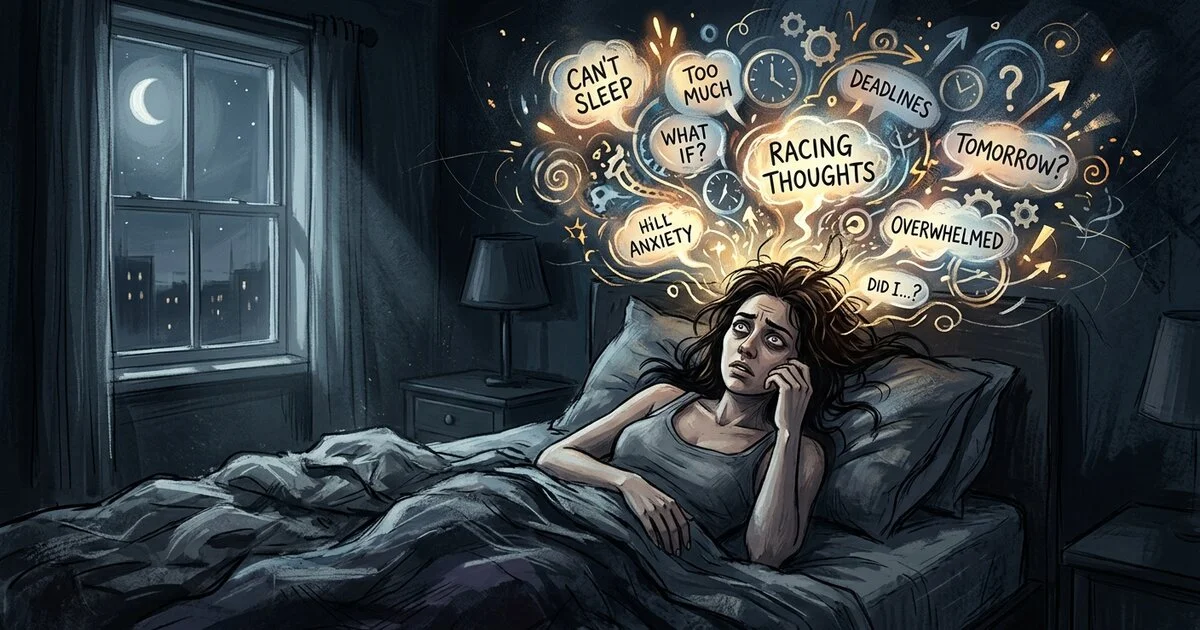
Racing thoughts, tight chest, that 3am wake-up spiral. These five voice journaling prompts are built for exactly those moments, and you can do them in under five minutes.

We compared the best journaling apps for mental health in 2026. See which apps actually help with anxiety, depression, and stress, and which ones are just pretty notebooks.

The complete guide to daily affirmations for women. Learn how to write personalized affirmations, build a daily practice, and rewire your brain for confidence and self-belief.
New to voice journaling? This step-by-step guide shows you how to start a voice journal practice that actually sticks, with prompts, tips, and the best apps to use.
Therapists keep recommending journaling. You keep starting and stopping. Here's what's actually happening in your brain when you write . and why voice journaling might be the version that actually sticks.

Research shows self-affirmations measurably improve well-being, reduce anxiety, and rewire how your brain responds to stress. Here's what the science says and how to build a lasting practice.
If your brain never stops narrating, voice journaling turns that endless mental loop into something useful. Here's how overthinkers can use talking through their thoughts as a feature, not a bug.
Research shows voice journaling reduces anxiety, stress, and depression symptoms and is easier to stick with than written journaling. Here's what the science says and how to start today.

The hardest part of journaling is the blank start. These research-informed prompts help you move past the silence and into honest reflection, even on days when you feel like you have nothing worth saying.
Putting thoughts into words can support emotional processing, clarity, and follow-through, but the research shows it's more than just "venting." Here is a look at the actual science behind voice-first reflection.

Typing feels productive but talking feels human. Here's why I switched to speaking my thoughts first thing in the morning, and what it revealed about the voice in my own head.