
2026-08-16
The 5 AM Myth
I used to think my problem was discipline. I read the books. I set the alarms. I bought the planners and downloaded the habit trackers. I watched the videos of people who wake at 4:30, cold plunge, journal for an hour
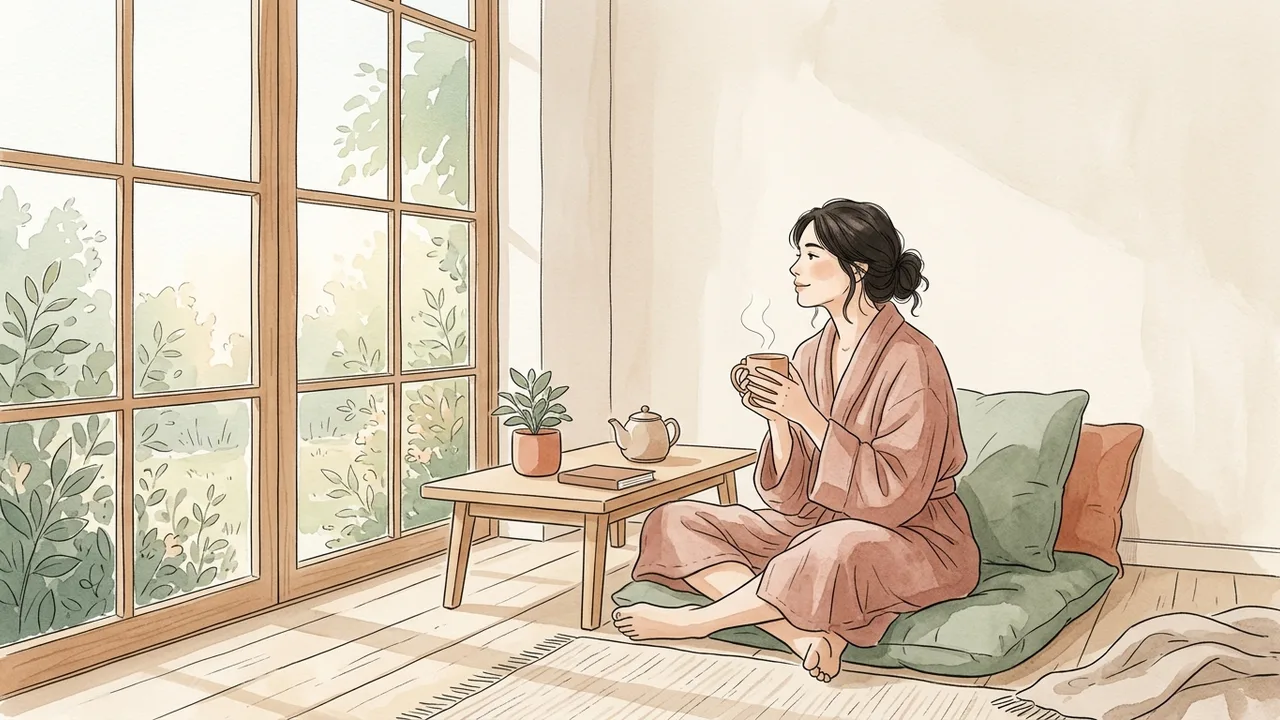
I used to think my problem was discipline.
I read the books. I set the alarms. I bought the planners and downloaded the habit trackers. I watched the videos of people who wake at 4:30, cold plunge, journal for an hour, and meditate before the sun shows up. And every time I tried to be one of them, I failed. Not softly. Spectacularly.
The last attempt was January. Four days of 5 AM alarms, four days of sitting in the dark kitchen with a notebook I was too tired to write in. On day five I slept through the alarm, woke at 8:40 in a panic, and spent the rest of the day feeling like I'd already lost before breakfast.
For years I read that as a character flaw. It took me a long time to learn the flaw was in the plan, not in me.
The fog after waking is real
There's a name for what I felt at 5:15 AM. Sleep inertia. It's the grogginess, the slow brain, the feeling that your thoughts are moving through honey. And it's measurable, not a mood.
Trotti (2017) reviewed the research in Sleep Medicine Reviews. The findings are blunt: cognitive performance right after waking is genuinely impaired, and the fog can last anywhere from a few minutes to over an hour. The part that undid my 5 AM fantasy came last. Sleep inertia hits hardest when you wake at a time your body clock wasn't expecting. Forcing an early start isn't just unpleasant. It's asking your brain to do its worst work at its worst hour.
Some people are owls
I'm an evening person. I always have been. As a kid I read under the covers at midnight. As an adult I do my clearest thinking after nine at night.
Chronotype research says this is a biological difference, not a preference I should be ashamed of. Zerbini and Merrow (2017), writing in PsyCh Journal, looked at how chronotype shapes performance in school. Their findings are uncomfortable for anyone who loves the phrase "early to bed, early to rise." Forcing people onto schedules that fight their internal clock makes them perform worse, not better. The start time is the problem, not the student.
I kept trying to convert myself anyway. Every failed attempt reinforced the story that I was broken. The research says I was just trying to be someone else's species.
The mismatch, not the owl
Here's where it gets interesting. Kivelä and colleagues (2018) reviewed the evidence on chronotype and mental health in Current Sleep Medicine Reports. Evening types do report more depression and anxiety symptoms on average. But the researchers point at what's doing the damage: social jetlag.
Social jetlag is the gap between your body's clock and your life's clock. You're an owl forced to live on lark time. You drag yourself out of bed for a schedule that was never yours, run on too little sleep all week, and call the exhaustion a personality problem. The sleep loss is doing the damage, and the chronotype is just wearing the blame.
I did this to myself for a decade. Early alarms on weekdays, lying in on weekends, never quite catching up. The math of it only works if you're willing to be tired forever.
What early rising actually costs
Here's the thing nobody in the 5 AM club tells you. Waking up earlier doesn't add hours to your day. It borrows them from your night. When I added up my failed attempts, the pattern was always the same. I wasn't becoming a morning person. I was becoming a tired person with a different schedule. The hour I gained was empty anyway. I spent it foggy, staring at a notebook I couldn't fill.
What I actually changed
I stopped setting the 4:30 alarm. This felt like giving up, and for about a week it was. Then I started paying attention to when my brain actually woke up. Turns out it's around eight. Sometimes eight thirty. On good days, seven.
So I moved the practice. Instead of forcing a pre-dawn miracle morning, I built a small one at the time my body actually exists. I record a voice note before I check my phone. That's it. One entry, whatever's in my head, before the feed gets in there first.
The note isn't profound. It's usually "tired." Or it's the thing I'm dreading, in all its embarrassing detail. Sometimes it's the two emails I don't want to send, said out loud so they stop orbiting my head. It happens every day because it happens at a time I can actually do it. Consistency beat intensity. Again.
There's no citation for that part, and I want to be honest about that. The sleep research tells you why the early morning is a bad fit. It can't tell you what your own voice sounds like at eight o'clock, or how much better a practice fits when it's built on the hours you actually have.
The version that works
I'm not going to tell you to burn the alarm clock and embrace your inner owl. Some people genuinely are morning people, and good for them, sincerely. But I think most of us never asked which type we are. We just assumed the early one was the correct one, because it photographs better.
Your chronotype isn't a moral failing. The schedule that fights it is the problem. And the practice you can actually keep, at the time your body actually shows up, beats the perfect routine you abandon on day three.
So here's my question for you. What time does your body actually want to wake up, and what would you do with that first hour if you stopped trying to be a morning person?